A Gift from Nature: The Tipping Point of Short Days
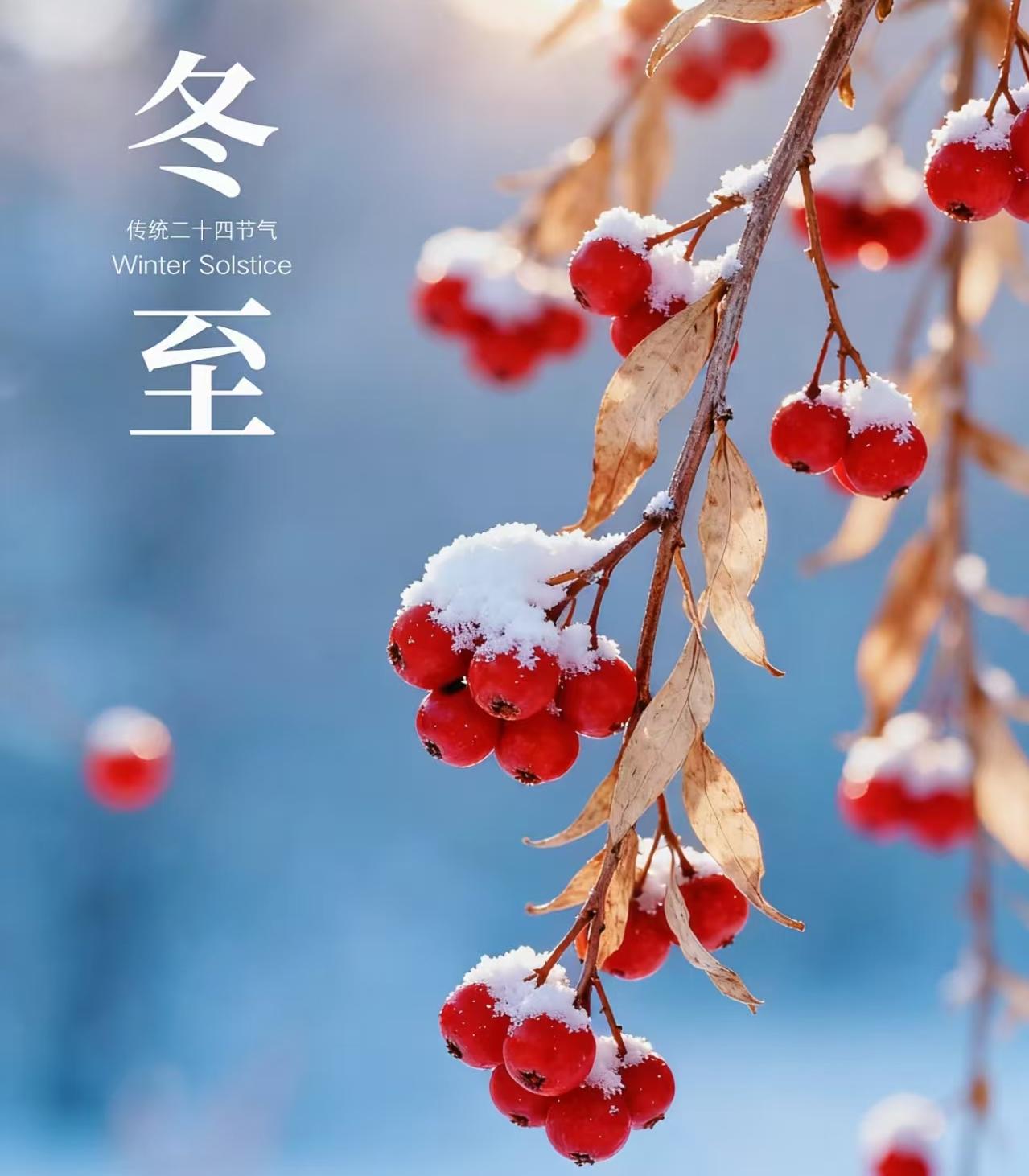
As biting north winds swirl with fluttering snowflakes past old eaves, carrying the crisp sound of frost, the calendar quietly marks the arrival of the Winter Solstice. On this day, the sun hangs low over the southern horizon, reaching the Tropic of Capricorn. As a result, the Northern Hemisphere receives its shortest day and longest, calmest night of the year.
For generations, elders have murmured that “the Winter Solstice rivals the Spring Festival.” Indeed, this saying reflects a significance deeply rooted in China’s agricultural civilization—one that wraps long, chilly nights in the soft warmth of family gatherings and seasonal reflection.
Historical Weight: Reverence for the “Sub-New-Year”
Historically, ancient people were highly sensitive to the cosmic rhythms hidden within this day. According to the Book of Han, “On the Solstice, yang rises, virtue prevails—we celebrate.” In other words, the Winter Solstice was seen as a pivotal turning point of yin and yang, signaling that daylight would gradually return and life would quietly renew itself.
Since the Zhou Dynasty, emperors donned ceremonial robes to conduct heaven-worshipping rituals in imperial temples. Meanwhile, officials exchanged formal greetings, commoners closed their shops to rest, and even prisoners were sometimes granted temporary reprieve. Therefore, the Solstice earned its reputation as a “sub-new-year,” embodying both reverence for nature and heartfelt hope for spring’s return.
Warmth on the Tongue: Reunion in Northern and Southern Delicacies
At the same time, the warmest expression of the Solstice unfolds around the dining table, where food aromas compose the season’s coziest melody. In northern China, families eat dumplings to honor Zhang Zhongjing, the revered “Medical Sage.” Legend has it that he crafted ear-shaped jiao’er with mutton and warming herbs to heal frostbitten villagers.
Today, when people bite through the thin, elastic wrappers and taste the hot, juicy filling inside, the warmth spreads instantly through the body. Consequently, dumplings have become an irreplaceable symbol of reunion.
By contrast, southerners favor snow-white glutinous rice balls that gently dance in boiling water. Often, they are coated with sugar or osmanthus sauce, their sweetness carrying wishes of togetherness. In particular, Chaoshan families share “sweet rice balls,” sticking a few onto doorframes as silent prayers for good fortune.
Charm of Daily Life: Regional Traditions
Beyond cuisine, regional customs add further layers of charm to the Winter Solstice. For example, in Zhejiang, neighbors gather on Solstice Eve to make glutinous rice cakes together. While some stir steaming rice, others pound it rhythmically with wooden mallets. Meanwhile, laughter fills the air as the rice gradually turns soft and chewy, and the steady dong-dong echoes through the village.
Similarly, in southern Fujian, families “nourish the winter” by simmering soups of chicken, ruby-red dates, and bright wolfberries. Through slow cooking, these soups fend off the cold and strengthen the body. Meanwhile, northern villages keep the traditional “Nine-Nine Count”: children draw one stroke each day after the Solstice, and after eighty-one days, spring is believed to arrive. Ultimately, all these customs share a single purpose—warding off winter’s chill with human warmth.
Timeless Essence: An Unchanged Core Meaning
In modern life, urban hustle has simplified many rituals. Nevertheless, the soul of the Winter Solstice remains intact. Office workers may only manage to pre-order hot dumplings during short breaks, yet even so, they still crave that familiar comfort after work. Likewise, those far from home pick up the phone and hear a gentle reminder: “It’s the Solstice—eat something warm.” In this way, a simple sentence bridges great distances.
Meanwhile, in family kitchens, parents rise early to buy fresh ingredients, peeling garlic and chopping meat slowly. As they work, every movement carries quiet affection while they wait for their children to return. Thus, the meaning of the day has gradually shifted—from worshipping heaven to celebrating reunion, from revering nature to cherishing kinship.
Enlightenment in Cold Nights: The Solstice’s Warm Wisdom
As night falls, warm lights pierce the cold darkness, and a bowl of steaming dumplings or rice balls reveals why ancient people cherished this day so deeply. After all, the Winter Solstice is not merely a seasonal marker but a guiding light in winter. On the shortest day, affection grows longest; in the bitterest cold, hearts feel warmest.
From this night onward, daylight will lengthen little by little, and hope will bloom steadily. That is why the Solstice’s wisdom remains timeless—teaching us to find warmth, connection, and love even in the deepest chill.