1. Basic Definition of Mangzhong Solar Term
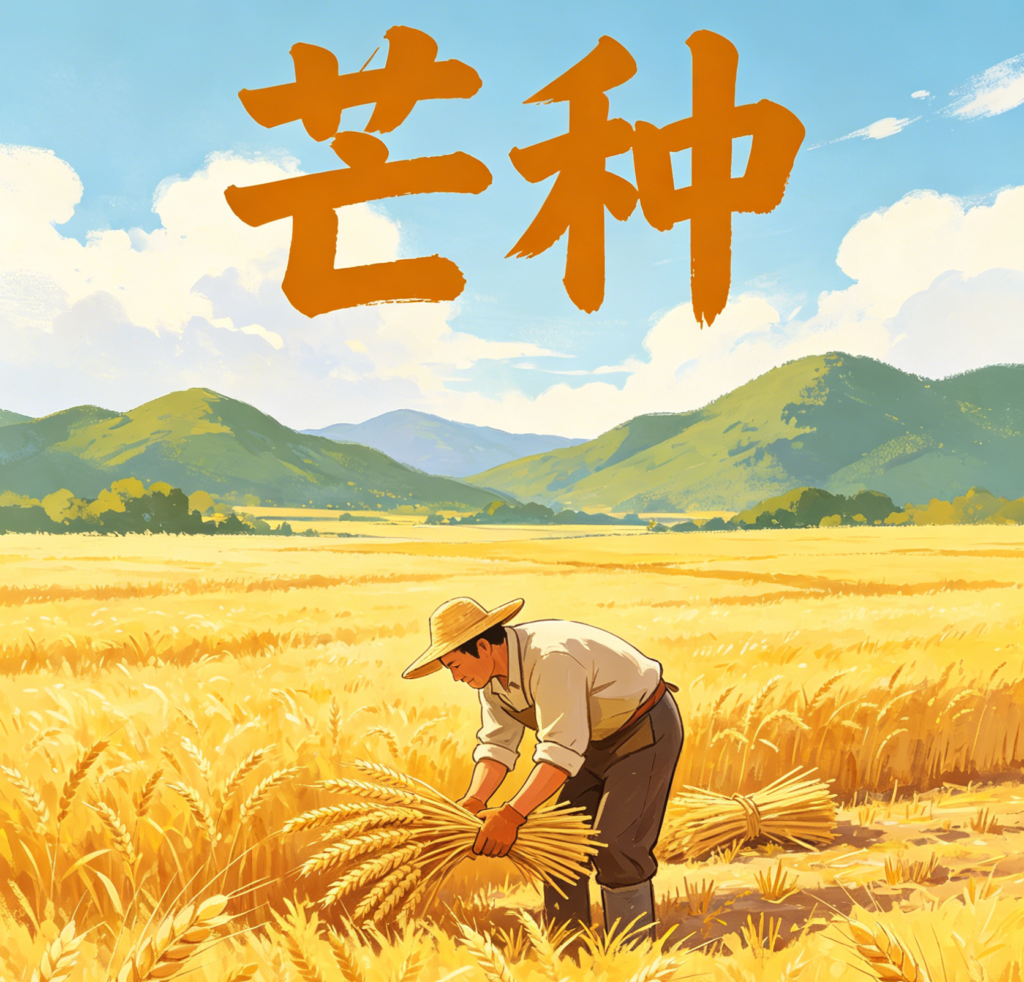
Literally translated as Grain in Ear, Mangzhong carries a simple yet practical agricultural meaning. To begin with, the word “Mang” refers to the awns on ripe wheat and barley. Meanwhile, “Zhong” stands for crop sowing. Overall, this solar term covers two core agricultural themes at once.
-
Ripening and harvesting: Awned summer crops like wheat fully ripen in this period. Thus, farmers must harvest them on time to avoid losses from summer rain and high heat.
-
Timely sowing: Additionally, this is the last ideal window for sowing summer and autumn crops. As a result, locals finish planting rice and corn before Mangzhong ends to secure a full-year harvest.
In short, Mangzhong unites harvesting and sowing work. It therefore represents the busiest phase in China’s traditional agricultural calendar.
2. Typical Climatic Characteristics of Mangzhong
Once Mangzhong arrives, most parts of China enter official midsummer. Correspondingly, regular and obvious climate changes take place. These changes greatly shape local farming arrangements and daily living habits.
-
Rising temperature and hot weather: Northern and central China sees fast temperature growth. Consequently, continuous hot weather occurs, with daily average temperatures above 25°C. This provides ample heat for crop development.
-
Increased rainfall and humid air: In particular, southern China enters the rainy plum season. Frequent thunderstorms and high humidity dominate the weather. Meanwhile, abundant rainfall supplies enough water for newly sown autumn crops.
-
Obvious monsoon climate features: Furthermore, dry and wet weather alternate frequently. Sudden showers and sunny spells often appear in one day. This forms the unique summer climate of East Asian regions.
3. Traditional Folk Customs of Mangzhong
Mangzhong closely connects with people’s agricultural livelihoods. For this reason, it has bred various traditional folk customs passed down through generations. These traditions fully reflect the wisdom and simple life aesthetics of ancient Chinese laborers.
-
Eating barley and wheat seasonal food: During Mangzhong, newly harvested wheat and barley taste the freshest. Hence, locals make seasonal pastries and staple foods with new grains. This custom expresses good wishes for annual harvests and personal health.
-
Worshipping the harvest god: It is a popular rural tradition across China. Specifically, farmers hold simple worship activities during Mangzhong. They thank nature for nurturing crops and pray for smooth farming work free from natural disasters.
-
Arranging seasonal health preservation: Mangzhong weather is hot and humid. Accordingly, Chinese people adjust their diet and routines following solar term rules. They choose light, easy-to-digest food and avoid greasy meals to adapt to summer climate changes.
4. Cultural Connotation and Modern Value of Mangzhong
China’s 24 solar terms, including Mangzhong, are precious intangible cultural heritage. They serve as a core part of traditional Chinese agricultural civilization. Beyond guiding farming production, Mangzhong also carries profound cultural value in modern times.
-
Embodies the philosophy of conforming to nature: Mangzhong summarizes natural rules of crop growth and climate change. In turn, it interprets the ancient Chinese idea of “harmony between man and nature”, which means living and producing in line with seasonal laws.
-
Represents diligence and harvest hope: The busy harvesting and sowing scene stands for timely and earnest labor. Therefore, this solar term symbolizes diligence and expectations for bumper harvests. It still delivers positive spiritual energy for modern life.
-
Promotes cultural global communication: As a unique Chinese seasonal culture, Mangzhong is gaining global popularity. In fact, it acts as a vital window for the world to learn about Chinese agriculture, folk customs and ancient wisdom.
5. Summary
Overall, Mangzhong (Grain in Ear) is a key agricultural node that links summer harvest and sowing. Meanwhile, it serves as a valuable cultural carrier of Chinese seasonal traditions. Every early June, the arrival of Mangzhong reminds people of the bond between nature, time and labor. In 2026, this ancient solar term continues to inherit traditional culture and showcase the unique charm of Chinese agricultural civilization to the world.