The Millennium Poetry and Human Warmth of Lichun
The First Whisper of Spring
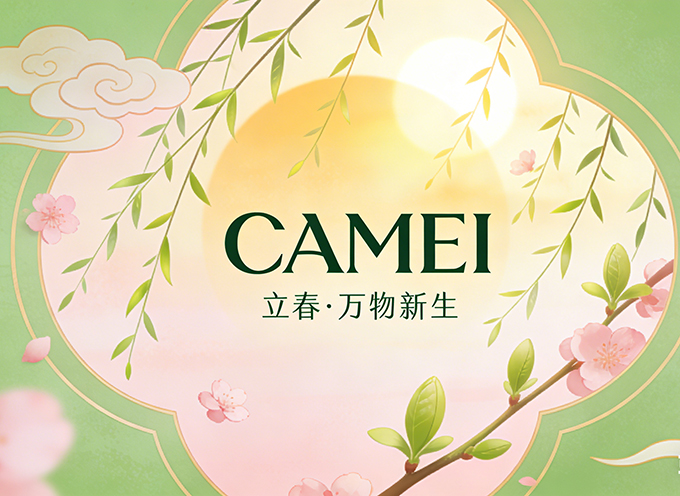
As the chill of late winter has yet to fully fade and frost still lingers on bare branches, the opening chapter of the Twenty-Four Solar Terms quietly unfolds with the arrival of Lichun—the Beginning of Spring.
As the first solar term of the year, Lichun carries the promise of renewal and rebirth. It does not arrive with sudden change, but through a gentle transition from cold to warmth. It is nature’s first love letter of spring, infused with centuries of cultural meaning and the quiet warmth of everyday life.
When Spring Begins to Stir
Lichun, also known as the Spring Festival or First Month Festival, is explained in The Monthly Ordinances with Seventy-Two Phenological Signs as follows: “Li means the beginning; Chun signifies growth—when all things stir and come to life.”
When the sun reaches 315 degrees of celestial longitude, daylight gradually lengthens and vital energy rises. Frozen soil loosens, streams thaw, tender shoots hide beneath dry grass, and buds quietly form on bare branches. Even the wind softens, carrying with it the unmistakable message that spring is near.
Nature’s Three Signs of Awakening
Ancient scholars divided Lichun into three natural stages:
First, the east wind melts the ice, announcing the return of warmth.
Second, hibernating insects begin to stir, as life quietly awakens beneath the soil.
Third, fish rise beneath thin ice, sensing the call of spring above.
These subtle transitions reveal nature’s delicate rhythm—life moving from stillness to motion in quiet response to the changing season.
Spring Traditions and Everyday Warmth
The charm of Lichun lies half in nature’s poetry and half in human tradition.
One of the most beloved customs is “biting spring.” In northern China, people eat fresh radishes to symbolically bite away winter’s chill. In the south, spring rolls take center stage—thin wrappers filled with seasonal vegetables and meat, fried until golden and crisp. Each bite carries wishes of prosperity, renewal, and abundance.
Honoring the Earth and the Harvest
Another important ritual is the Spring Ox ceremony. The ox, a symbol of agriculture and abundance, represents hope for a fruitful year. Traditionally, a clay ox is struck with colorful whips while blessings are recited, praying for favorable weather and plentiful harvests. Though such ceremonies are less common today, their spirit of hope and gratitude remains deeply rooted.
Lichun Through the Eyes of Poets
Lichun has long inspired poets and scholars.
Du Fu wrote of the east wind awakening grass and flowers alike.
Han Yu captured early spring rain, soft and nourishing, with grass just beginning to appear.
Lu You, at the turn of the season, found his thoughts returning to home.
Through these verses, the quiet joy and promise of Lichun continue to resonate across centuries.
A Season of Renewal for Today
In modern life, Lichun may no longer mark an agricultural turning point, but it remains a gentle symbol of renewal.
For CAMEI, it represents inspiration for growth and progress. Just as spring awakens all living things, CAMEI moves forward with resilience and purpose—rooted in dedication, evolving with time, and advancing alongside every partner on the journey.
Where Spring Truly Lives
Lichun reminds us that winter will always give way to spring. No matter how long the cold lingers, warmth and light inevitably return.
There is no need to search for spring—it already lives in the breeze, in the soil, and in every heart that holds hope. It is not a grand celebration, but a quiet beginning; not the end of winter, but the soft opening of a new season.
A Gentle Beginning, A Shared Hope
May we greet Lichun with gratitude and confidence, growing toward the light like grass and trees.
May CAMEI, carried by the momentum of spring, move forward with clarity and purpose.
Spring has begun. Flowers will bloom. And all beautiful things are already on their way.