1. Understanding the Major Snow Solar Term
Major Snow, the 21st solar term in the traditional Chinese calendar, arrives between December 6 and 8 when the sun reaches 255° celestial longitude. As winter deepens, cold fronts grow stronger, temperatures plunge, and snowfall becomes noticeably heavier—hence the name “Major Snow.” Ancient records describe this period as the time when snow becomes truly abundant.
This solar term is traditionally divided into three observational stages:
-
First Stage: The hanhao bird falls silent as the cold intensifies.
-
Second Stage: Tigers sense the rise of yang energy and begin their mating cycle.
-
Third Stage: Iris tectorum quietly pushes new shoots through the frozen earth.
These natural signs reflect how early cultures observed seasonal change and maintained harmony with nature.
2. Folk Tales That Bring Winter to Life
The deep quiet of winter inspired imaginative legends passed down through generations.
In northern villages, one popular story tells of “The Snow Child’s Promise.” When children place a cotton hat on a snow figure, it is said to transform into a kind, white-robed youth who repairs drafty roofs for families in need. But those who take the hat out of greed may face spring floods when the snow melts. The tale blends fantasy with a gentle reminder to act with kindness.
In Jiangnan, a poetic tradition known as “Listening to the Plum on a Snowy Night” is often shared. Lighting a pine torch beneath an ancient plum tree on a snowy night was believed to reveal a soft dialogue between blossoms and snowflakes. However, if one’s mind wandered, the flame would extinguish instantly—an allegory for inner calm and focus during winter.
3. Seasonal Activities Across Different Regions
As Major Snow arrives, communities across China welcome winter in their own unique ways.
Northern Traditions
-
Curing meats for winter: Families prepare cured pork, sausages, and other preserved foods, marking a key step in winter storage and a sign that the New Year is approaching.
-
Salted duck eggs in Tianjin: Local households brine duck eggs with peppercorn and salt, producing bright, rich yolks that add color to winter meals.
Southern Traditions
-
Admiring snow and plums: In Hangzhou, visitors walk through Gushan and Lingfeng to enjoy red plum blossoms set against white snow.
-
Snow games in Huizhou: Children build snow lions and play in the snow while elders warm themselves with hot tea by the fire.
-
Lamb soup gatherings in Sichuan and Chongqing: A simmering pot of lamb and radish is considered essential for warming the body and strengthening family bonds.
4. What Major Snow Means Today
Beyond marking seasonal change, Major Snow carries practical and cultural importance.
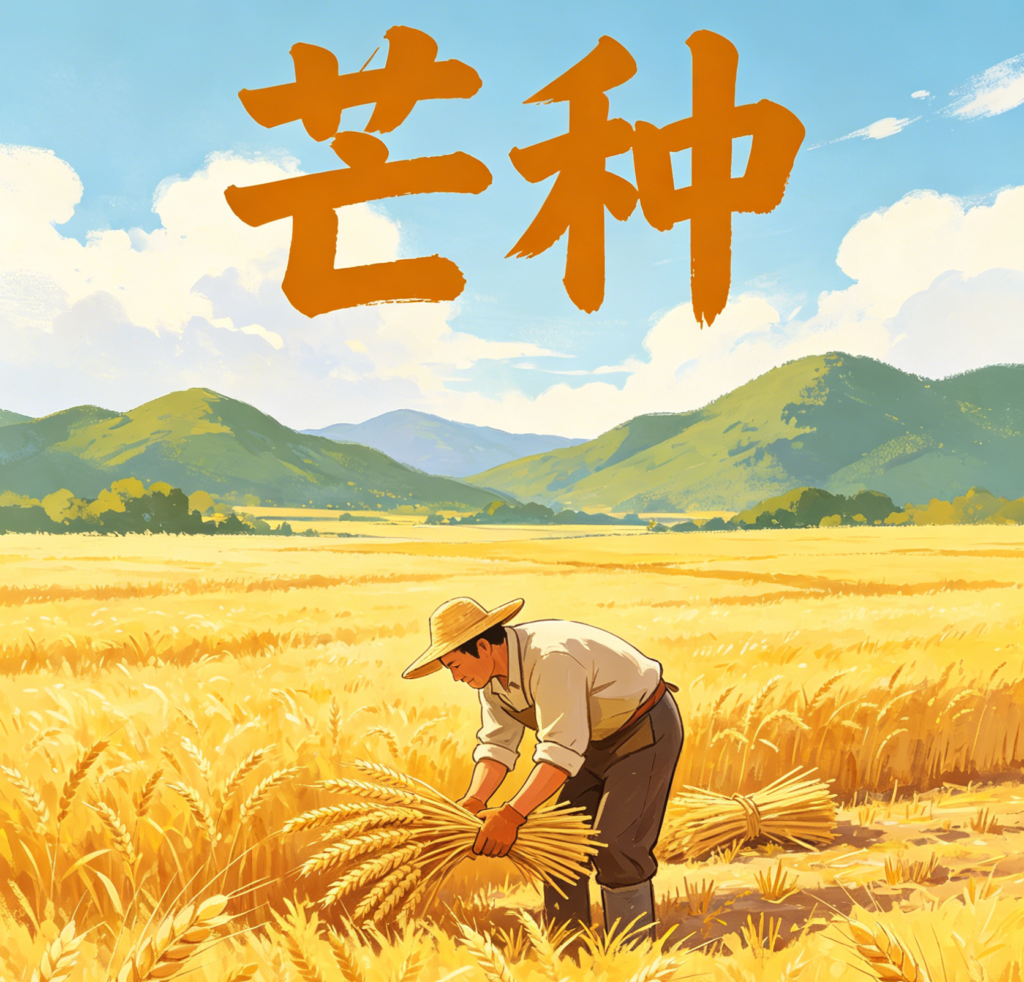
In agriculture, a timely snow serves as protection for the land. Snow cover acts as insulation for winter crops, enriches the soil with moisture as it melts, and helps reduce pests—creating favorable conditions for spring farming.
From a cultural perspective, this period encourages people to slow down. Families gather around warm stoves, enjoy quiet moments, and appreciate the beauty of winter landscapes. Snow also symbolizes purity and renewal, offering a moment for reflection as the year draws to a close.
As snow gently covers mountains and fields, it softens the world’s noise. Major Snow is not only a seasonal marker but also a reminder of warmth, resilience, and harmony with the natural cycle.