The Arrival of the Beginning of Winter
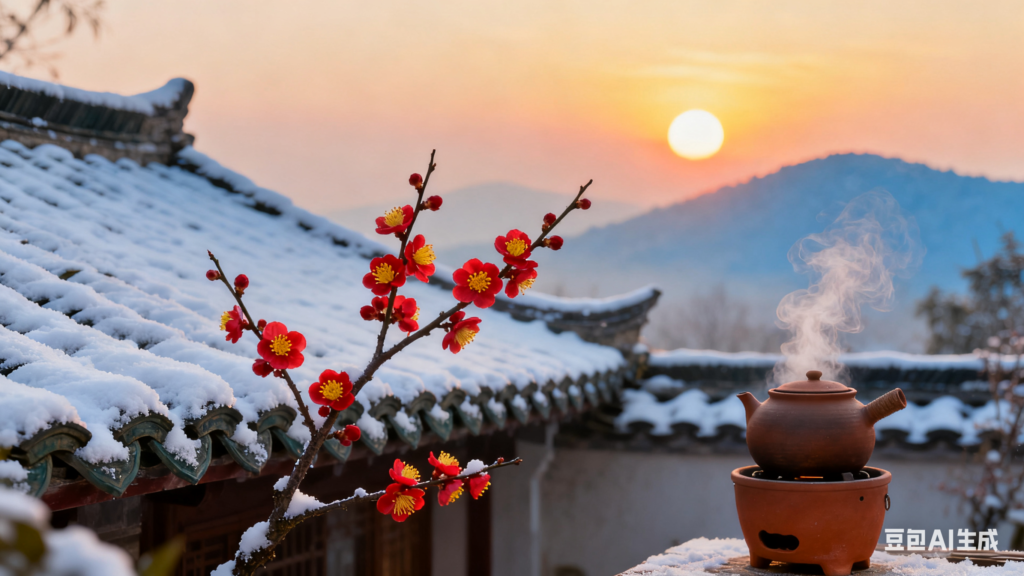
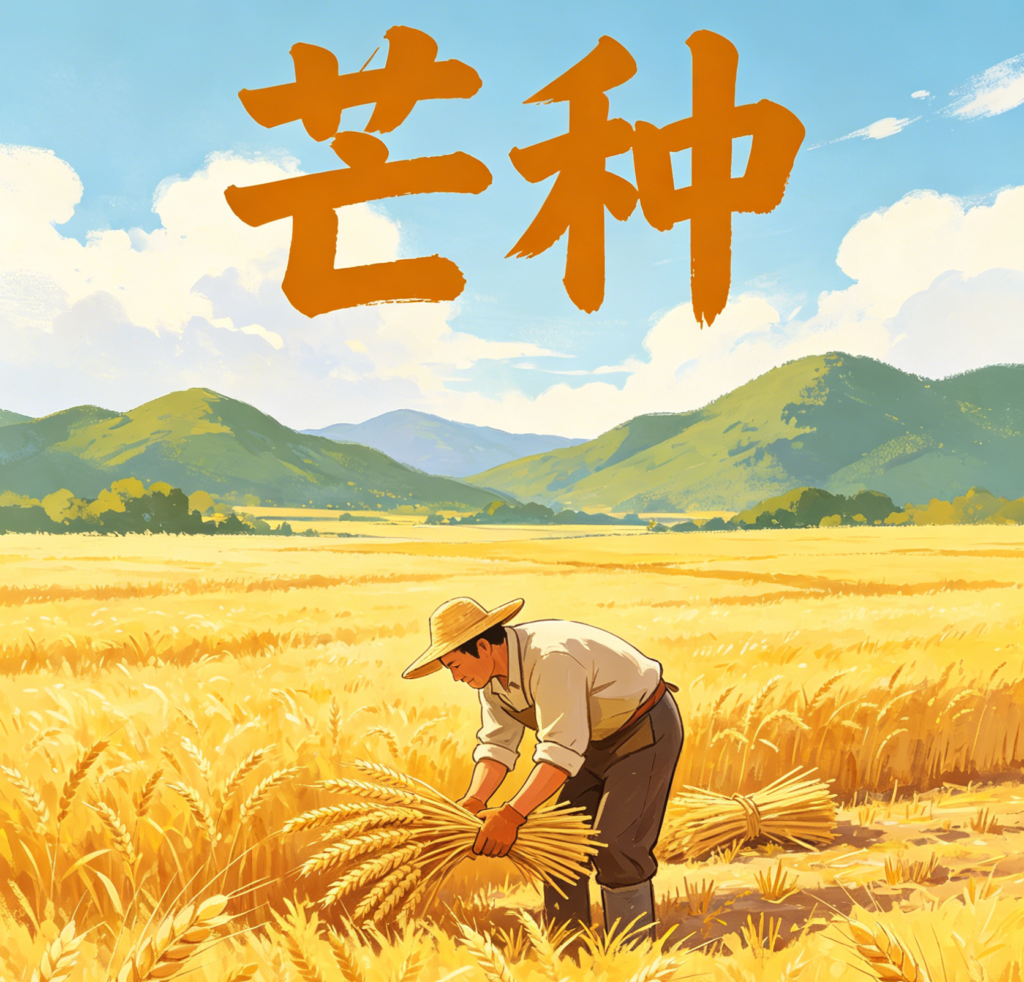
As the morning mist drifts across the window frame with the cutting cold breeze, the words “Beginning of Winter” on the calendar finally feel real. Moreover, among the 24 solar terms, the Beginning of Winter is not merely a date—it is the crystallization of ancient Chinese wisdom built on observing the heavens and reading the earth. It marks the first solar term of winter. According to The Explanation of the Seventy-two Seasonal Divisions, “Li means start; Dong means end — the time when all things retreat and are stored.” At this moment, the Big Dipper points toward Hai, the sun reaches 225° longitude, Yang energy contracts, and Yin energy rises. Consequently, plants wither, insects enter dormancy, and all living creatures quietly move into a stage of “preservation”. In agrarian times, the Beginning of Winter was also a symbolic “full stop” to a year of labor. After sowing, cultivating, and harvesting, farmers finally rested, stored grain, and awaited the cold season’s arrival with fulfillment.
Warm Customs Found in Everyday Food
Across China, festive customs express warmth through ordinary food. Furthermore, different regions interpret this warmth in their own meaningful ways.
Northern China: Dumplings as Winter’s First Warmth
In northern China, the Beginning of Winter is inseparable from a steaming bowl of dumplings. The old saying goes, “If you don’t eat dumplings on the Beginning of Winter, your ears will freeze and no one will care.” It sounds playful, yet it carries loving philosophy—dumplings resemble ears, symbolizing protection against the cold. In addition, “dumpling” also shares a similar sound to “transition”, implying the passing of seasons and wishing for peace in the year ahead. Meanwhile, kneading dough, rolling skins, mixing fillings, and folding pleats bring families closer together. As a result, that first bite of savory dumplings dissolves the chill of winter into warmth.
Southern China: Gentle Elegance in Sweetness and Grain
In the south, customs reveal gentle elegance. In Jiangnan, for instance, people cook red bean sticky rice: red beans represent dispelling cold, while sticky rice symbolizes wholeness and abundance. The slow simmer of clay pots on wood stoves, bubbling softly, becomes the gentle prologue to winter. In the Chaoshan region, people eat sugarcane, believing that the cane harvested now is especially sweet and juicy. Consequently, many say that “eating sugarcane at the Beginning of Winter prevents tooth pain”. Even sweetness becomes a vessel of seasonal blessing.
Winter Is Not Stillness—It Is Preparation
The Beginning of Winter is more than a shift of temperature—it reflects the Chinese way of perceiving life. It summarizes the past year and quietly prepares for the next cycle of growth. Therefore, fields are cleared, tools are repaired, and families gather around the stove. Winter is not stagnation; instead, it is accumulation. Like trees that shed their leaves yet strengthen their roots underground; or people who reduce outdoor activity yet weave warmth and meaning indoors—winter is the season of storing power for the future. In fact, winter holds the potential for spring.
Warm Seasonal Wishes from Camei
At this turning point of the year, Camei sends sincere wishes:
May your winter bring warm clothes, hot meals, and the company of those who matter. Moreover, may you pause between busy days to embrace the calm beauty of the season.
May warmth find you unexpectedly in every cold moment.
Ultimately, may this winter carry both the steadiness of time—and the poetry of life.